


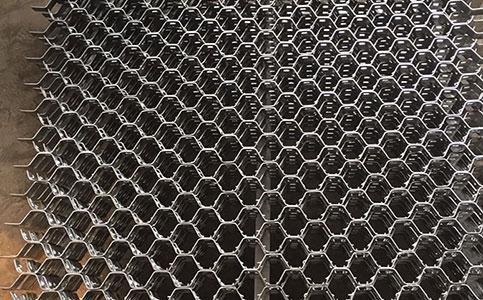
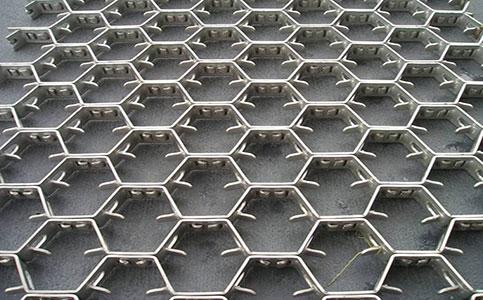
Tortoise shell mesh is a wear-resistant and high-temperature resistant material.
Other Products


Installation Steps for Turtle Grid Lining
1. Surface Treatment:
Clean rust and oil stains from the inner wall of the pipeline to ensure the surface is dry and smooth.
Perform sandblasting on the metal substrate to improve adhesion.
2. Turtle Grid Fixation:
Welding Fixation: Weld the metal turtle grid onto the inner wall of the pipeline (weld points should be evenly distributed to avoid thermal deformation).
Bolt Fixation: Some designs use bolts and pressure plates for fixation (suitable for non-welding materials).
Adhesive Fixation: Ceramic turtle grids can be bonded using high-temperature wear-resistant adhesive (ensure the adhesive's temperature resistance).
3. Filling the Wear-Resistant Layer (Optional):
Fill the turtle grid mesh with wear-resistant castable materials (such as corundum ceramic mortar or silicon carbide coatings) to enhance overall wear resistance.
Use vibration tools to ensure dense filling without air bubbles.
4. Curing and Maintenance:
Perform natural curing or heat curing according to material requirements (e.g., refractory castables require baking).
5. Acceptance Inspection:
Check the lining for flatness, absence of warping or hollowing, and perform a tapping test to assess the risk of detachment.
IV. Maintenance and Precautions for Turtle Grid Lining
1. Regular Inspection:
Inspect the wear condition of the turtle grid during shutdowns, with a focus on elbows and diameter-changing sections.
If damage to the turtle grid or detachment of castable materials is found, repair or replace them promptly.
2. Key Points for Material Selection:
Temperature: For high-temperature environments (>300°C), prioritize metal turtle grids + heat-resistant castables; ceramic or rubber-based linings can be used at room temperature.
Dust Characteristics: Sharp particles (e.g., slag) require materials with higher hardness (e.g., ceramics).
3. Common Issues and Solutions:
Detachment: Check welding/adhesive processes to ensure substrate cleanliness and fixation strength.
Localized Wear: Thicken the wear-resistant layer locally or adopt a replaceable liner design.
4. Comparison of Alternative Solutions:
Wear-Resistant Steel Plate: High cost but long lifespan, suitable for large-diameter pipelines.
Rubber Lining: Good corrosion resistance but poor high-temperature resistance.
Ceramic Tiles: Lightweight but weak impact resistance.
V. Cost and Benefit Analysis
Initial Cost: The combined cost of turtle grid + wear-resistant layer is lower than that of solid wear-resistant steel plates but higher than that of ordinary steel pipes.
Long-Term Benefits: Reduces the frequency of shutdown maintenance and extends pipeline lifespan by 2-3 times, making it suitable for high-wear conditions.
VI. Professional Recommendations
1. During the design phase, calculate the wear rate based on parameters such as airflow velocity, dust concentration, and temperature to determine the lining thickness (typically 5-20mm).
2. For complex sections (e.g., elbows), dual protection (turtle grid + wear-resistant coating) is recommended.
3. Construction should be performed by professional teams to avoid early failure due to improper installation.
For further optimization of the solution, provide specific working condition parameters (e.g., temperature, dust type, pipeline dimensions) to recommend more precise material and process combinations.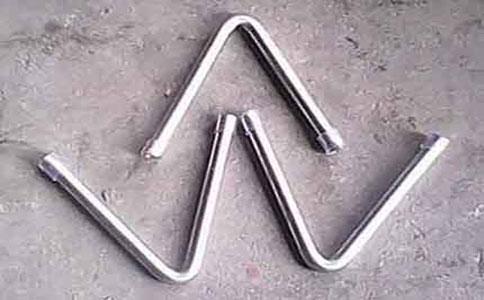
| Industry Category | Chemicals/Chemical Intermediates/Intermediate Compounds |
|---|---|
| Product Category | |
| Brand: | 欧海网业 |
| Spec: | 1.5*20*50 |
| Stock: | 5000 |
| Manufacturer: | 欧海丝网 |
| Origin: | 111311 |


